Featured
The 8-Minute Rule for Avoiding the Previous Mistakes Afte...
Excitement About Exploring Financial Fresh Starts in Toda...
A Biased View of Building Your Financial counseling for v...
Our "Budget Adjustments for Debt Relief and Financial Sta...
The Only Guide for "Bankruptcy Wrecks Your Future" Corrected
Table of Contents
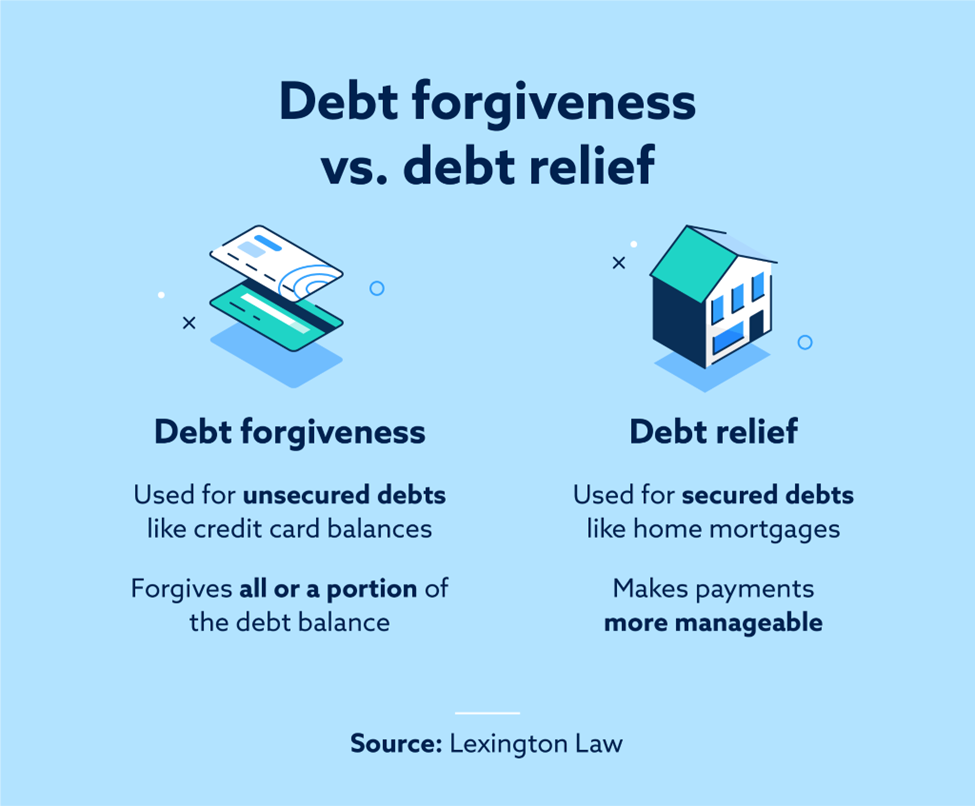
That maximizes money in the short-term, and you may have 3 to four years to conserve toward the settlement amount. Really unsafe to credit rating, mostly due to missed out on settlements and a negative "settled" mark that can remain on your credit history report for as much as seven yearsMay be only alternative if other options (financial debt consolidation, equilibrium transfer bank card, financial debt forgiveness) aren't possibleTypically requires a charge to the third party, which might balance out some or all of the financial savings from financial debt settlementMay help you avoid insolvency if you have actually missed several paymentsNot all creditors collaborate with financial obligation negotiation firms Financial obligation forgiveness might be right for you if you are experiencing an economic challenge that makes it almost difficult to pay down your financial obligation balances.
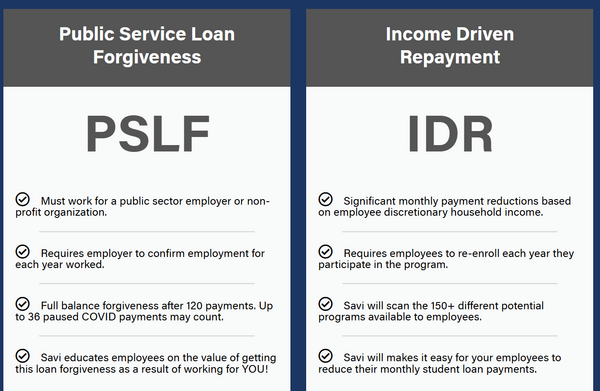
With a DMP, you make one regular monthly repayment to the credit therapy firm. Those funds are then dispersed to financial institutions of your unsecured debts, such as credit report cards and installment loans. The agency collaborates with your lenders to lower passion prices or waive fees, but some creditors might decline such concessions.
A financial debt loan consolidation loan combines your qualified financial debts into one new financing. It can aid you pay down financial obligation if you're able to protect a loan price that's less than the average rate of the accounts you're consolidating. Nonetheless, you have to refrain from acquiring financial debt on those recently removed accounts or your debt could grow also higher.
That gives you lots of time to eliminate or significantly decrease your balance while making interest-free payments.
What Does Evaluating APFSC to Select the Ideal Match Mean?
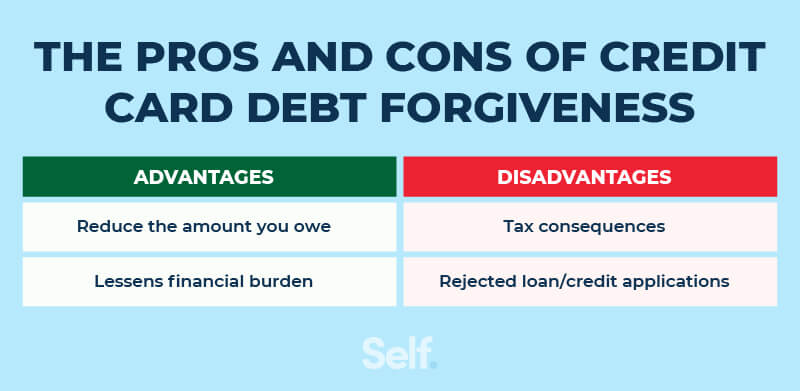
You might require it if your financial institution or a debt collector ever attempts to accumulate on the debt in the future. The letter could confirm you don't owe what the debt collection agency's documents show. Yes, for the most part, the internal revenue service considers forgiven financial obligation as taxable income. When a lending institution forgives $600 or even more, they are needed to send you Kind 1099-C.
Financial debt forgiveness or negotiation usually harms your debt. Anytime you resolve a debt for less than you owe, it might look like "settled" on your credit score report and affect your credit rating for seven years from the date of settlement. Your credit can likewise go down significantly in the months bring about the mercy if you fall back on repayments.
Examine This Report about Exploring Debt Forgiveness for Burdened Consumers
This circumstance often results from underreporting revenue, not submitting returns on time, or discrepancies discovered during an Internal revenue service audit. The consequences of gathering tax financial debt are significant and can include tax liens, which offer the Internal revenue service a legal claim to your building as protection for the debt.
Greater interest prices on available debt. Salaries and Financial institution Accounts internal revenue service can impose (confiscate) incomes and checking account to please the financial obligation. Decreased income and disturbance of important economic procedures. Building Seizure In extreme cases, the internal revenue service can seize and market residential or commercial property to cover the financial obligation. Loss of beneficial properties and potential displacement.
Social Stigma Dealing with lawful action from the IRS can carry social stigma. Work Opportunities A poor credit history score due to exhaust financial obligation can restrict work possibilities. Government Benefits Tax financial debt may affect qualification for government benefits, such as Social Security and Medicaid.
"10 Credit Card Myths That Stop People From Paying Off Debt Ruins Your Credit" Corrected - An Overview
The OIC takes into consideration numerous elements, consisting of the taxpayer's revenue, expenditures, asset equity, and capability to pay. Successfully negotiating an OIC can be complex, requiring a detailed understanding of the IRS's standards and a strong argument for why your deal straightens with your ability to pay. It is very important to keep in mind that not all applications are accepted, and the process calls for comprehensive economic disclosure.
The IRS examines your overall monetary situation, including your income, expenses, property equity, and ability to pay. You have to additionally be present with all declaring and repayment requirements and not be in an open personal bankruptcy proceeding. The IRS additionally considers your conformity history, assessing whether you have a record of timely filing and paying taxes in previous years.
Shielding Yourself Against Unethical Companies Can Be Fun For Anyone
The application procedure for a Deal in Compromise entails a number of comprehensive actions. Initially, you need to complete and submit internal revenue service Form 656, the Deal in Compromise application, and Form 433-A (OIC), a collection info statement for individuals. These kinds call for detailed monetary info, consisting of details concerning your income, financial debts, expenses, and possessions.
Back taxes, which are unpaid tax obligations from previous years, can considerably raise your complete IRS financial debt if not resolved immediately. This financial obligation can accrue passion and late settlement charges, making the original quantity owed a lot larger with time. Failing to pay back taxes can lead to the internal revenue service taking enforcement actions, such as releasing a tax obligation lien or levy versus your building.
It is necessary to attend to back taxes asap, either by paying the total owed or by preparing a repayment strategy with the internal revenue service. By taking aggressive actions, you can avoid the buildup of extra rate of interest and charges, and stop extra hostile collection activities by the IRS.
One typical factor is the idea that the taxpayer can pay the full quantity either as a swelling amount or via a payment plan. The internal revenue service likewise takes into consideration the taxpayer's earnings, expenditures, property equity, and future earning capacity. If these variables show that the taxpayer can pay for to pay greater than the supplied amount, the IRS is most likely to turn down the deal.
The 9-Minute Rule for Documents You'll Need for 10 Credit Card Myths That Stop People From Paying Off Debt
Dealing with Internal revenue service financial debt can be intricate and difficult. Tax obligation specialists, such as CPAs, tax lawyers, or enrolled agents, can provide very useful assistance.

Table of Contents
Latest Posts
The 8-Minute Rule for Avoiding the Previous Mistakes After Your Fresh Start
Excitement About Exploring Financial Fresh Starts in Today's Economy
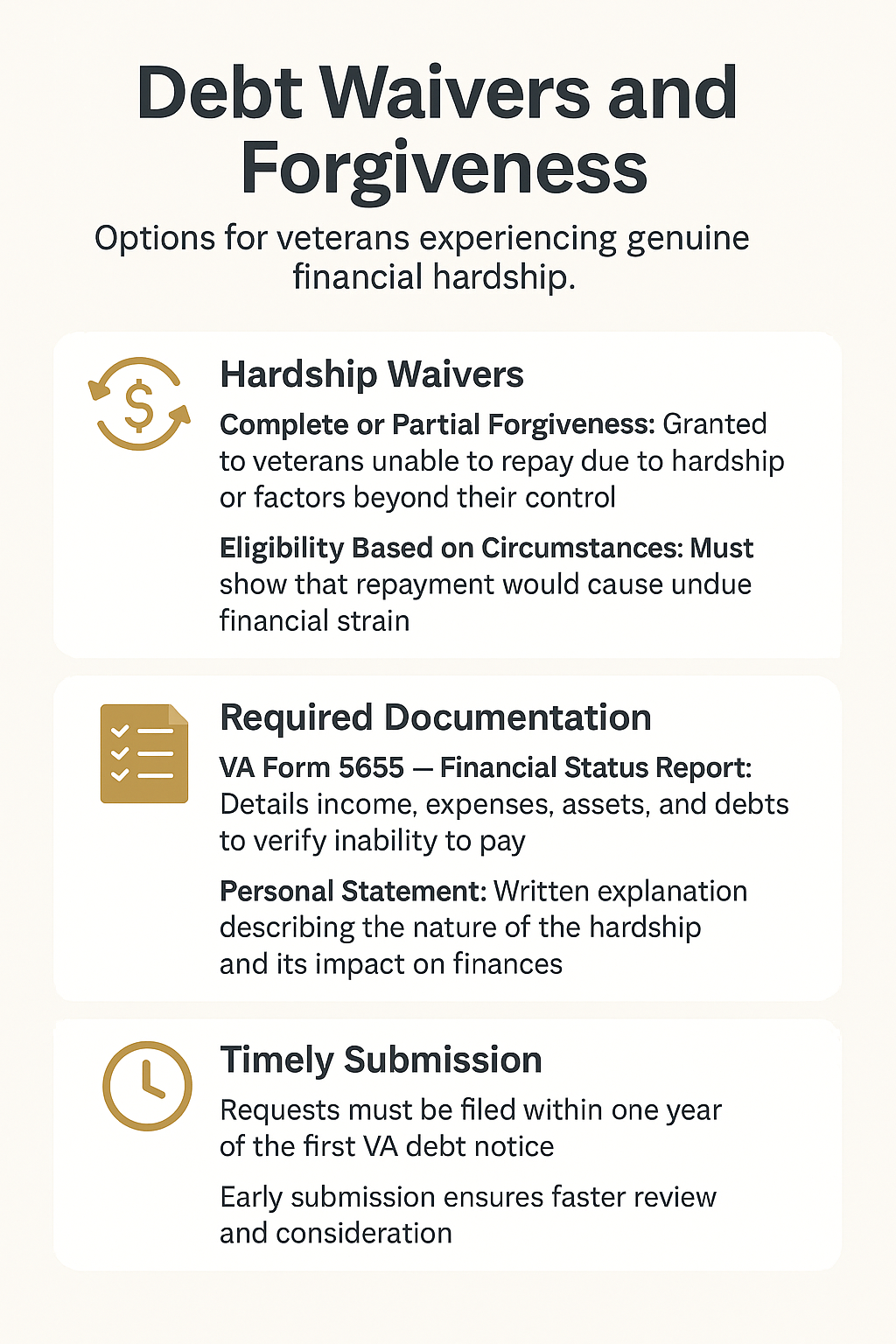
A Biased View of Building Your Financial counseling for veterans in Texas who are overwhelmed by credit card debt Plan
More
Latest Posts
The 8-Minute Rule for Avoiding the Previous Mistakes After Your Fresh Start
Excitement About Exploring Financial Fresh Starts in Today's Economy
A Biased View of Building Your Financial counseling for veterans in Texas who are overwhelmed by credit card debt Plan